Bed Bug on the Couch After Treatment?
“I was just sitting on the couch and had one on me. Hopefully I don’t see any more.” We get this message a lot in the days and weeks after a bed bug treatment. Here is what it usually means, and what to do next.
Seeing a bed bug on the couch, or on you, in the first few weeks after treatment is common and does not mean the treatment failed. Bugs leave their hiding spots, cross the treated surfaces and die over the following days, and eggs that were already laid can still hatch. Catch it, take a photo, note the date and spot, keep using the room as normal and tell us. Call sooner if you are finding several live bugs, or if sightings are increasing after the follow-up visit.
Why you can still see bed bugs after treatment
Most bed bug treatments do not kill every bug on the spot. The products we apply to seams, joints, cracks and furniture frames keep working after we leave. A bug has to come out of hiding and walk across a treated surface to pick up a lethal dose, and that can take hours or days to work.
Bed bugs also come out when they are hungry and sense a person nearby. When you sit on the couch for an evening, you are exactly what draws them out. Seeing one on you, or on the cushion beside you, is often a bug leaving its hiding spot through treated areas.
Eggs are the other reason. They are protected from many treatments and take roughly one to two weeks to hatch at room temperature. Young bugs that hatch after the first visit are why most bed bug programs include a follow-up treatment.
Why the couch is such a common place to find them
Bed bugs live where people rest, not only where they sleep. A couch or recliner that someone uses every evening, or naps on, can hold bed bugs just like a bed.
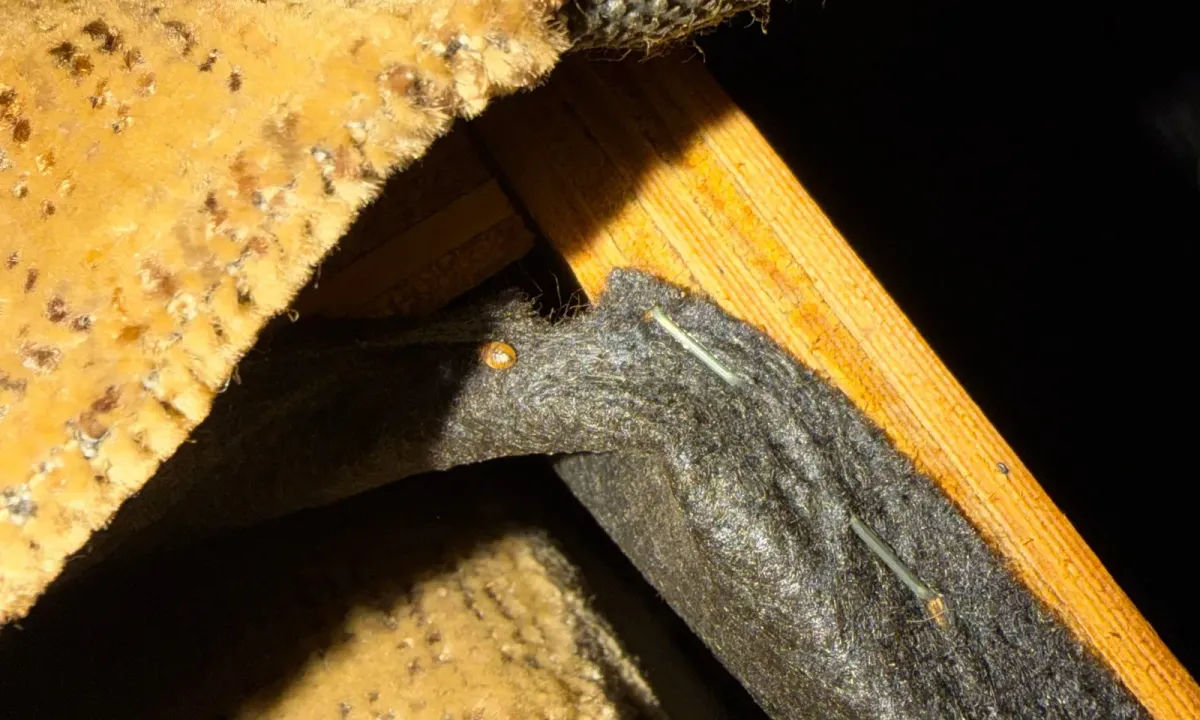
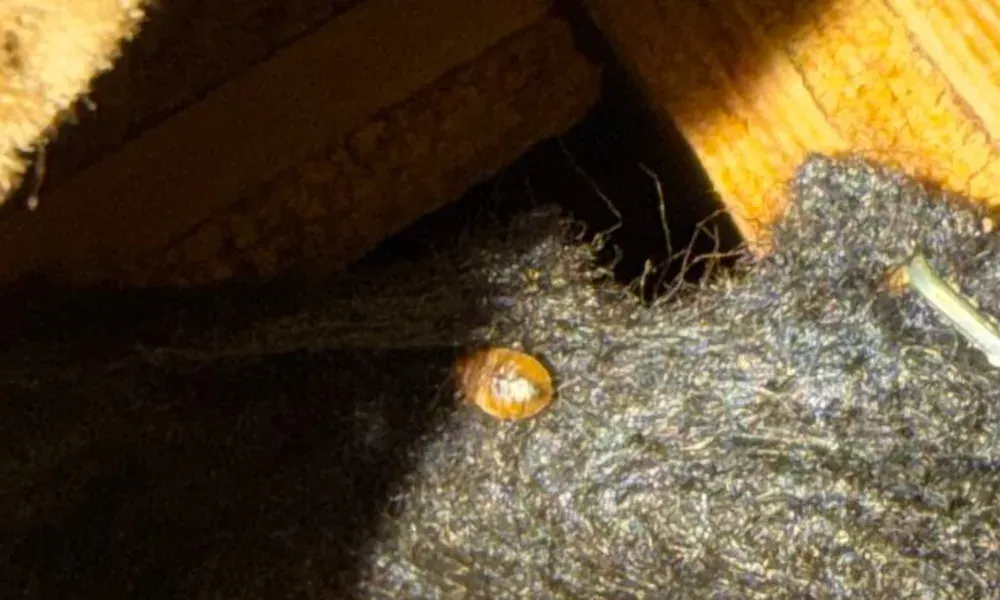
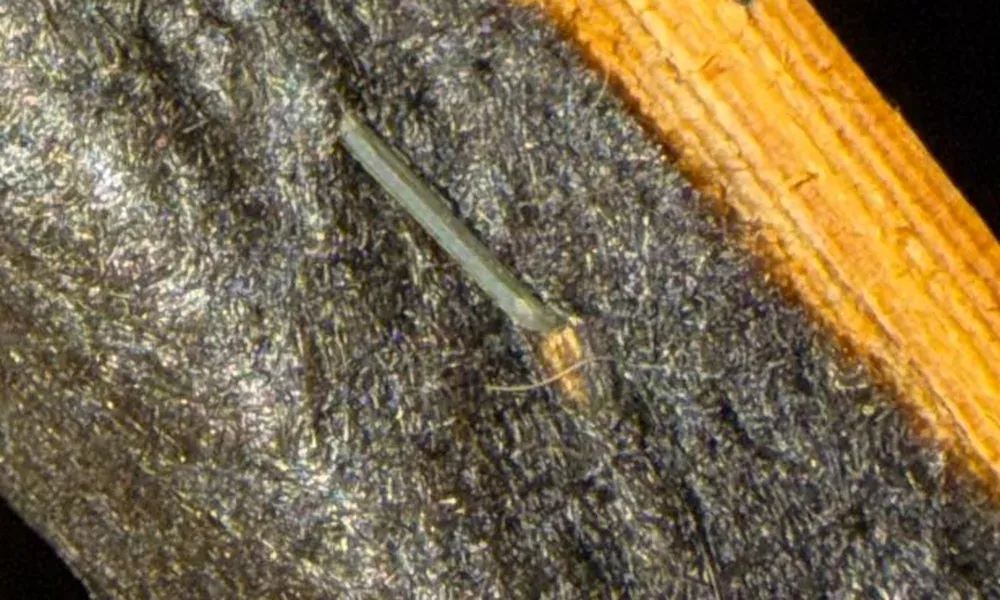
Under most couches is a thin black fabric dust cover stapled to a wooden frame. The folds of that fabric, the staple lines and the joints in the frame are dark, tight and close to where people sit. That is exactly where this customer's bug was found.
What to do if you find one
- Catch it if you can. Press clear packing tape over it, or put it in a small sealed bag or pill bottle. Keep it for identification.
- Take a clear photo and note the date, time and exact spot: couch cushion, arm, underside, or on you.
- Keep using the couch and your bed as normal once the re-entry time on your treatment instructions has passed. Moving to another room can spread bugs to an untreated area, and using the furniture helps draw remaining bugs across the treated surfaces.
- Do not spray store-bought insecticide or use a fogger. They can push bugs deeper into the furniture or into other rooms and interfere with the products already in place.
- Do not vacuum, steam or wash treated seams and frames until your instructions say you can.
- Send us the photo and your notes, especially if your follow-up visit is coming up.
Should you throw out the couch?
Usually not. An intact couch can be treated, including the underside, frame and cushions. Throwing it out does not remove bugs that are already in the floor, walls, bed or other furniture, and carrying it through the home can drop bugs along the way.
Replacement is worth talking about only if the couch is badly torn, heavily infested or cannot be treated well. If you do get rid of it, ask us first how to wrap it and mark it so nobody takes it home.
What is normal, and when to call us back
What you want to see is a downward trend: fewer sightings each week, and bugs that look slow, dying or dead. One or two bugs in the first couple of weeks, especially around the treated furniture, is normal.
Call us before your follow-up date if you are finding several live, active bugs at a time, if you see small pale young bugs or eggs, if bites are increasing, or if bugs show up in a room that was not treated. Sightings that continue after the follow-up visit are also worth a call. In an apartment or semi-detached home, tell us if a neighbour has bed bugs, because they can come back through shared walls.
Common questions
Is it normal to see bed bugs after treatment?
Yes. For the first few weeks you may still see some bugs, because they have to come out and cross treated surfaces before they die, and eggs can still hatch. What matters is that sightings decrease over time.
How long after bed bug treatment will I stop seeing them?
Most people see a clear drop within two to three weeks, and the follow-up visit deals with bugs that hatch after the first treatment. Every home is different, so tell us if sightings are not decreasing.
Can I sit on my couch after bed bug treatment?
Yes, once the re-entry time on your treatment instructions has passed and treated areas are dry. Using the couch normally helps draw any remaining bugs out across the treated surfaces.
Does finding a bed bug on me mean the treatment failed?
Not on its own. A bug on you or the couch in the weeks after treatment is common. Repeated live bugs, new young bugs or rising bites after the follow-up are the signs to call us about.
Send us a photo and the date you saw it
One bug after treatment is usually part of the process, but we would rather know. Send a photo, tell us where it was, and we will tell you whether to wait for the follow-up visit or come back sooner.